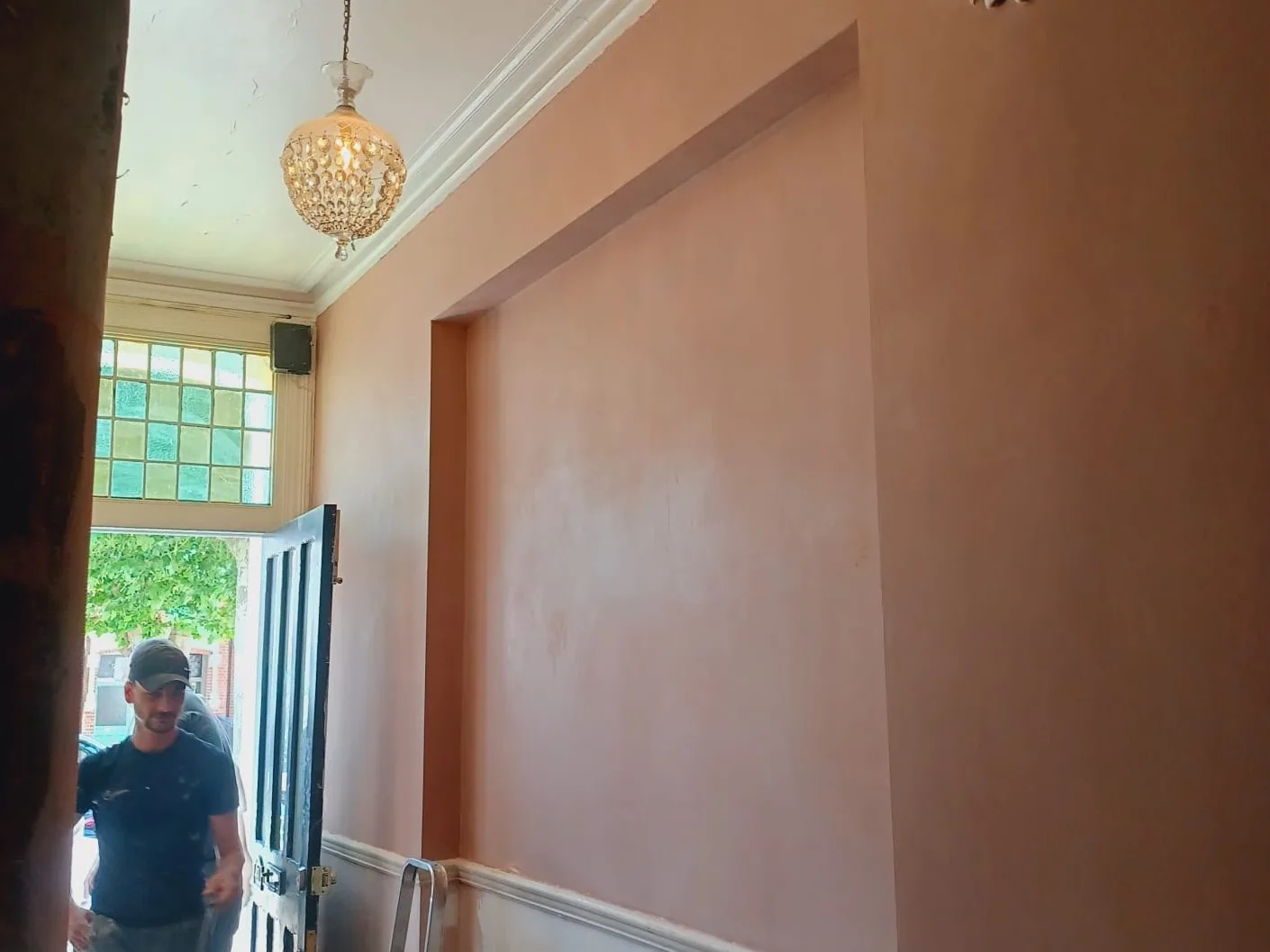
Comfortable with older and larger property
Pinner's mix of timber-framed village buildings and substantial 1930s detached houses calls for different treatment approaches. We diagnose before we specify anything.

Damp proofing in Pinner
From the timber-framed village core to 1930s mock-Tudor semis and detached houses, Pinner damp has particular causes. Free survey, written fixed price, ten-year guarantees on treatment.
Free survey in Pinner and Hatch End · Sovereign & Wykamol approved · 10-year QANW insurance-backed guarantee
10 years
Company workmanship guarantee on damp treatment
10 years
QANW insurance-backed guarantee
£0
Survey, diagnosis and fixed-price quotation in Pinner
£2m
Public liability insurance held
Local coverage
Pinner is a short drive from our Harrow base and it is a place with real variety in its housing stock. The village core around the High Street and Church Lane has genuine timber-framed and solid-brick period buildings, several within the Pinner village conservation area, where original construction, lime mortars and traditional finishes need to be worked with rather than covered over in modern materials.
Around that core, Pinner is dominated by large 1930s mock-Tudor detached and semi-detached housing, the kind with applied timber framing to gable ends, tile-hung upper storeys, rendered ground floors and generous plots. Hatch End, Pinner Green and the roads off Uxbridge Road and Cuckoo Hill share the same era and detailing. Further out towards Rayners Lane and Eastcote the housing becomes more consistently semi-detached and terraced, still largely interwar, with pockets of inter-war parades converted to flats above shops.
Ground conditions here matter too. Much of Pinner sits on higher ground with mature, established gardens, large trees close to boundary walls, and a fair number of properties on sloping plots where retaining structures and steps in level are part of daily life. Tree roots, seasonal ground movement in clay subsoil and shaded, damp planting hard against walls all affect how these buildings deal with water.
We survey free of charge across Pinner and the surrounding area, with calls taken Monday to Friday 8am to 8pm and Saturday 8am to 1pm.
Timber-framed and solid-brick village property, 1930s mock-Tudor detached and semi-detached houses, tile-hung and rendered elevations, and converted flats above shops in Rayners Lane and Hatch End.
Damp in period village buildings, condensation and penetrating damp in tile-hung gables, cellar and basement waterproofing for larger detached homes, and damp linked to mature trees and shaded boundary walls.
Repairs matched to original materials where a property sits within the Pinner village conservation area; check listed building or conservation area consent before external work.
Services in Pinner
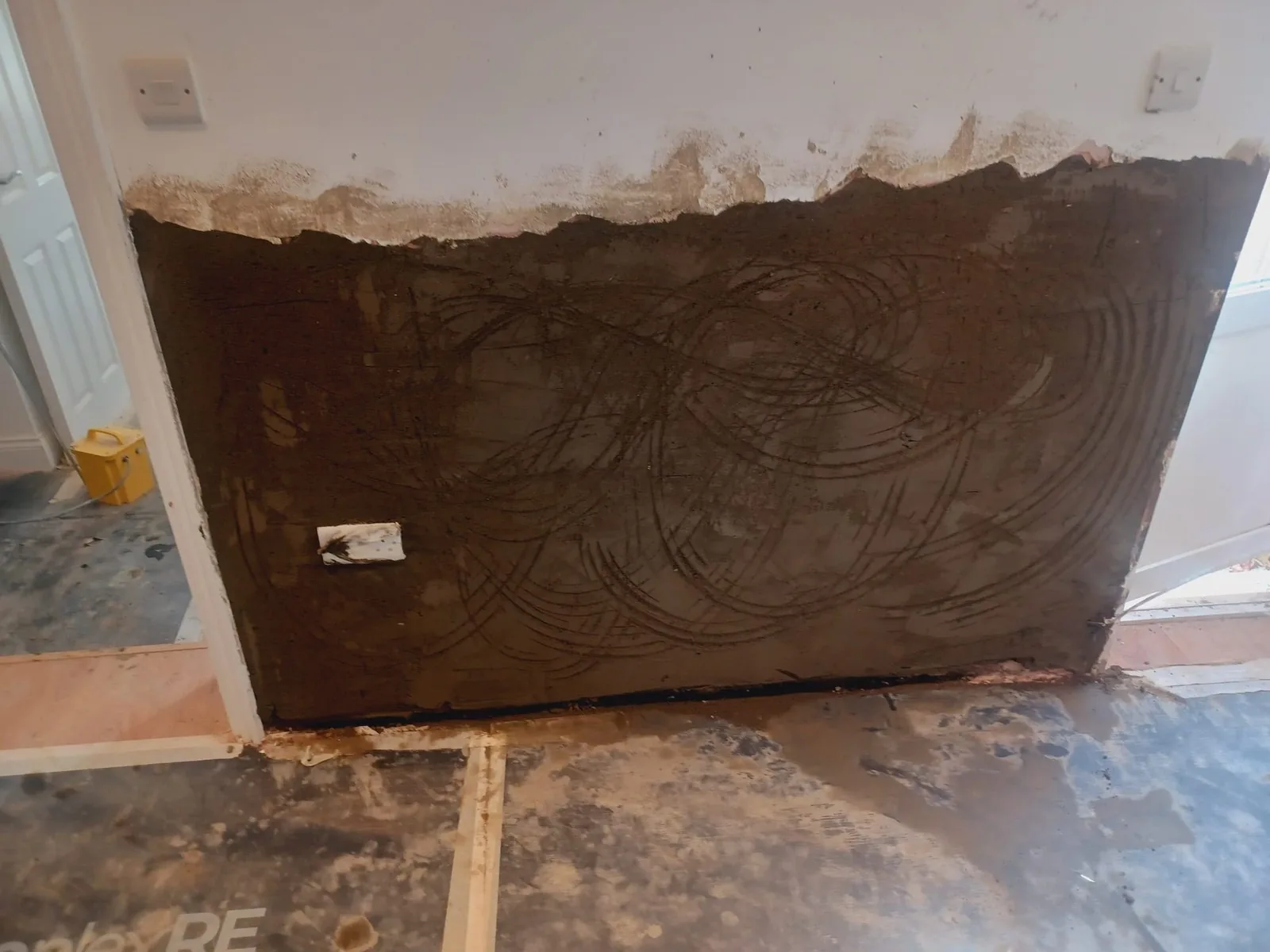
A failed damp proof course is diagnosed, treated with an accredited Sovereign or Wykamol system and replastered to a decoration-ready finish, priced as a fixed sum before any work starts, and guaranteed for ten years.
Rising damp treatment in Pinner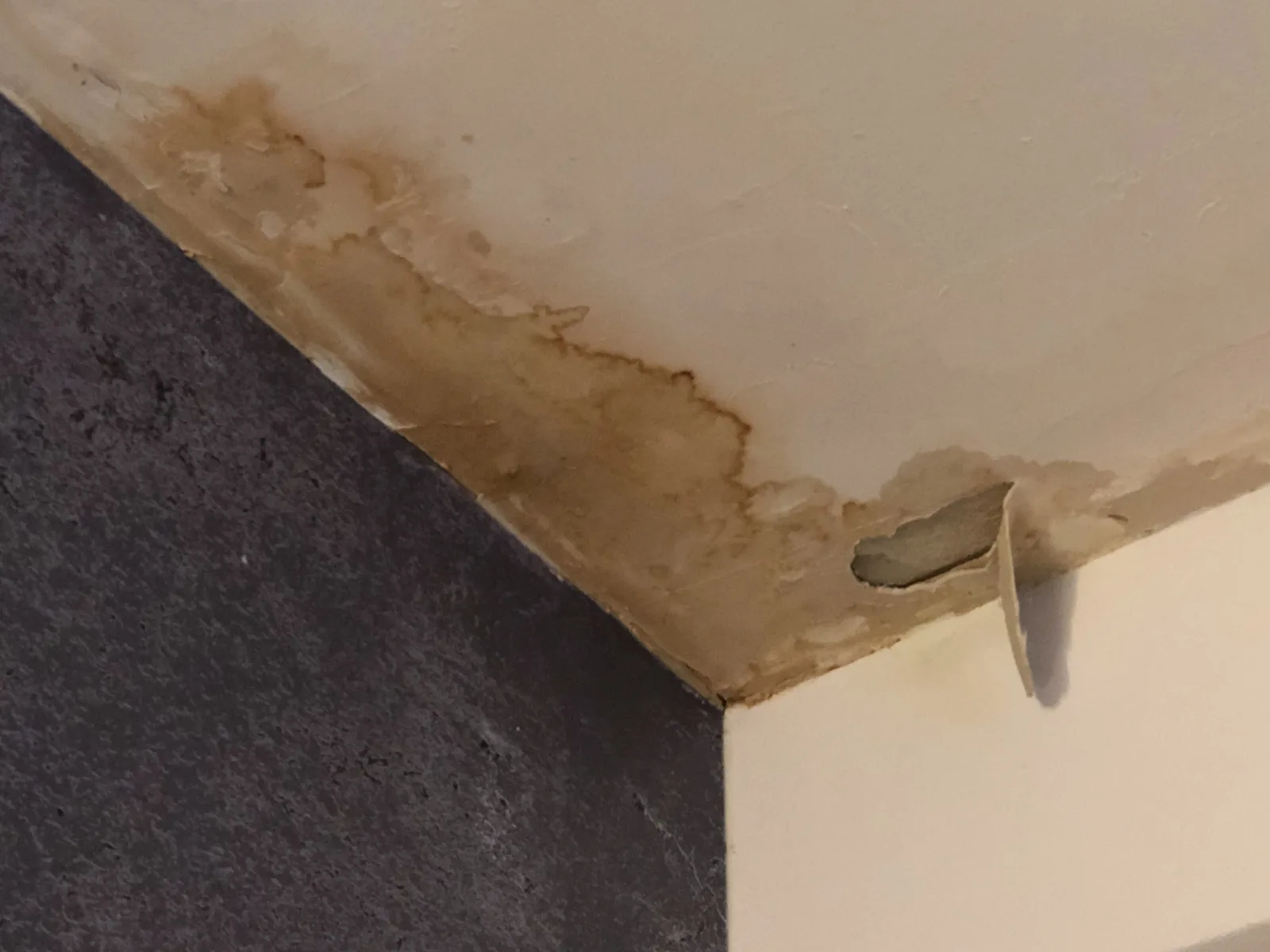
Damp that worsens after rain is coming in from somewhere. We find the route: pointing, render, sills, gutters or roof detail; correct it, then repair the wall inside. Free survey, fixed price, no guesswork.
Penetrating damp treatment in Pinner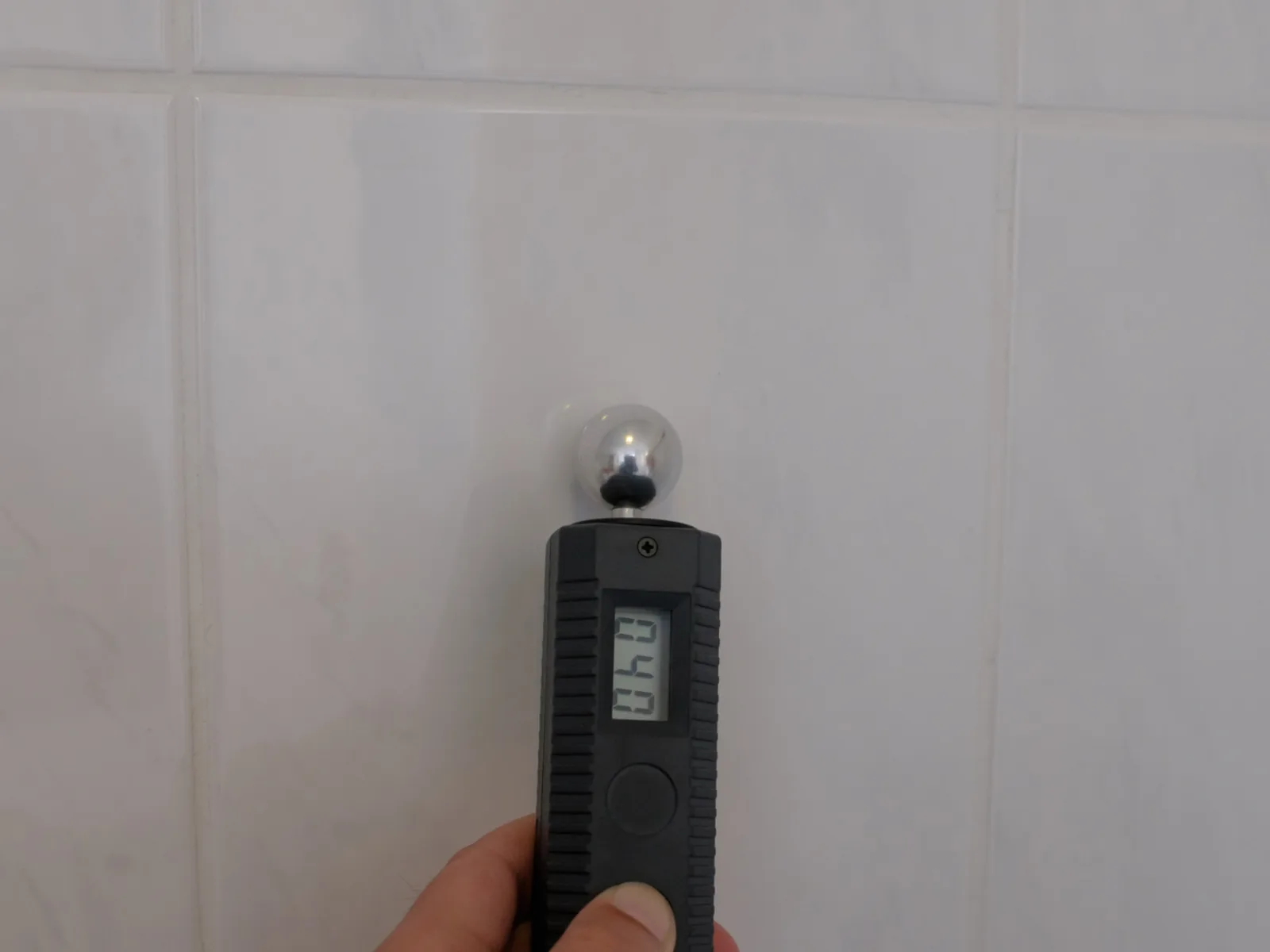
Find out exactly what is causing the damp, what it takes to fix it, and what it costs, in writing, at a fixed price, with no charge for the visit and no obligation to proceed.
Damp surveys & diagnosis in Pinner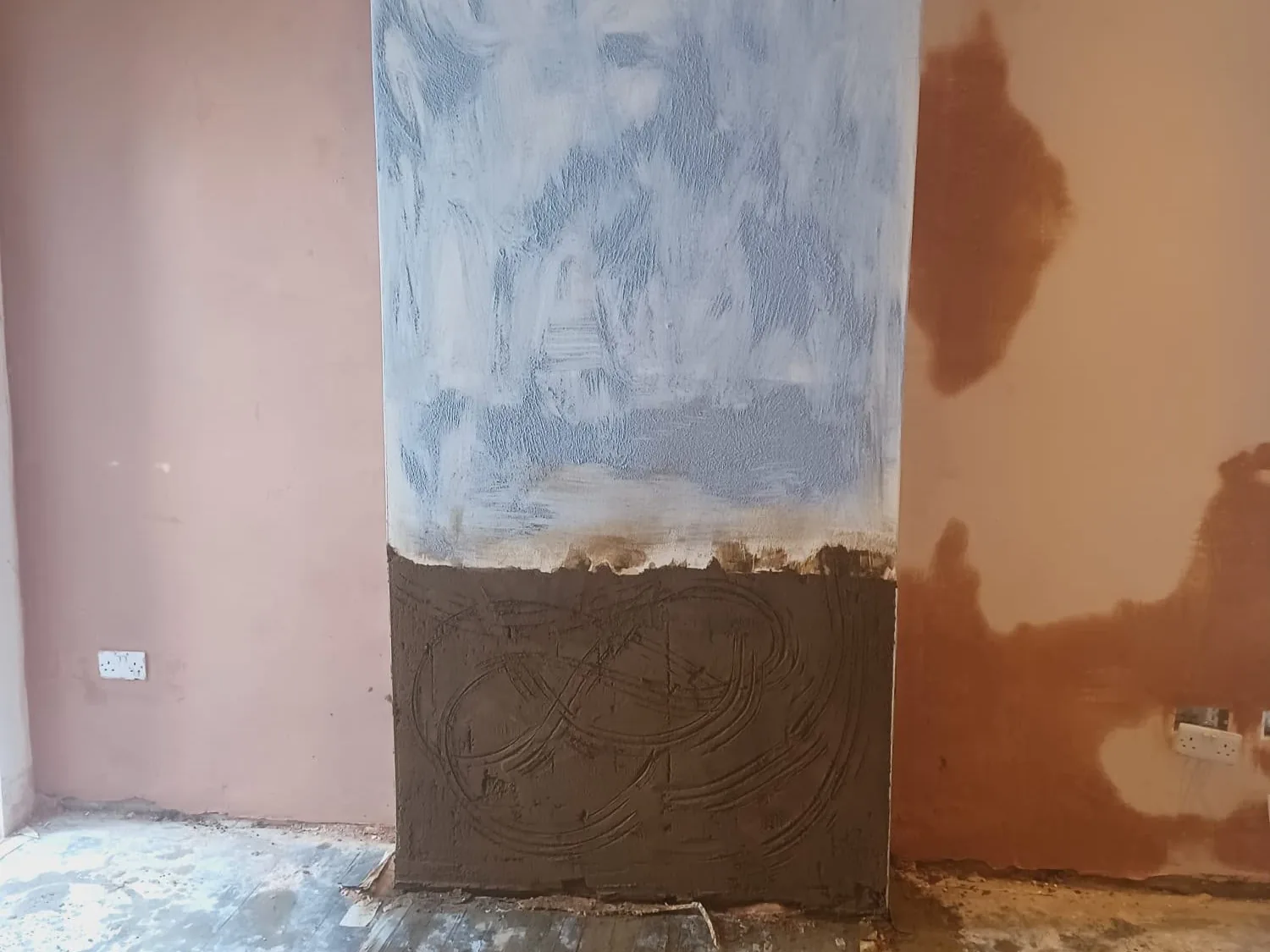
Below-ground rooms need a waterproofing system, not a coat of damp-seal paint. Membrane and cementitious tanking specified to suit the structure, installed as an approved Sovereign and Wykamol contractor, with a free survey and a fixed price.
Structural waterproofing & tanking in Pinner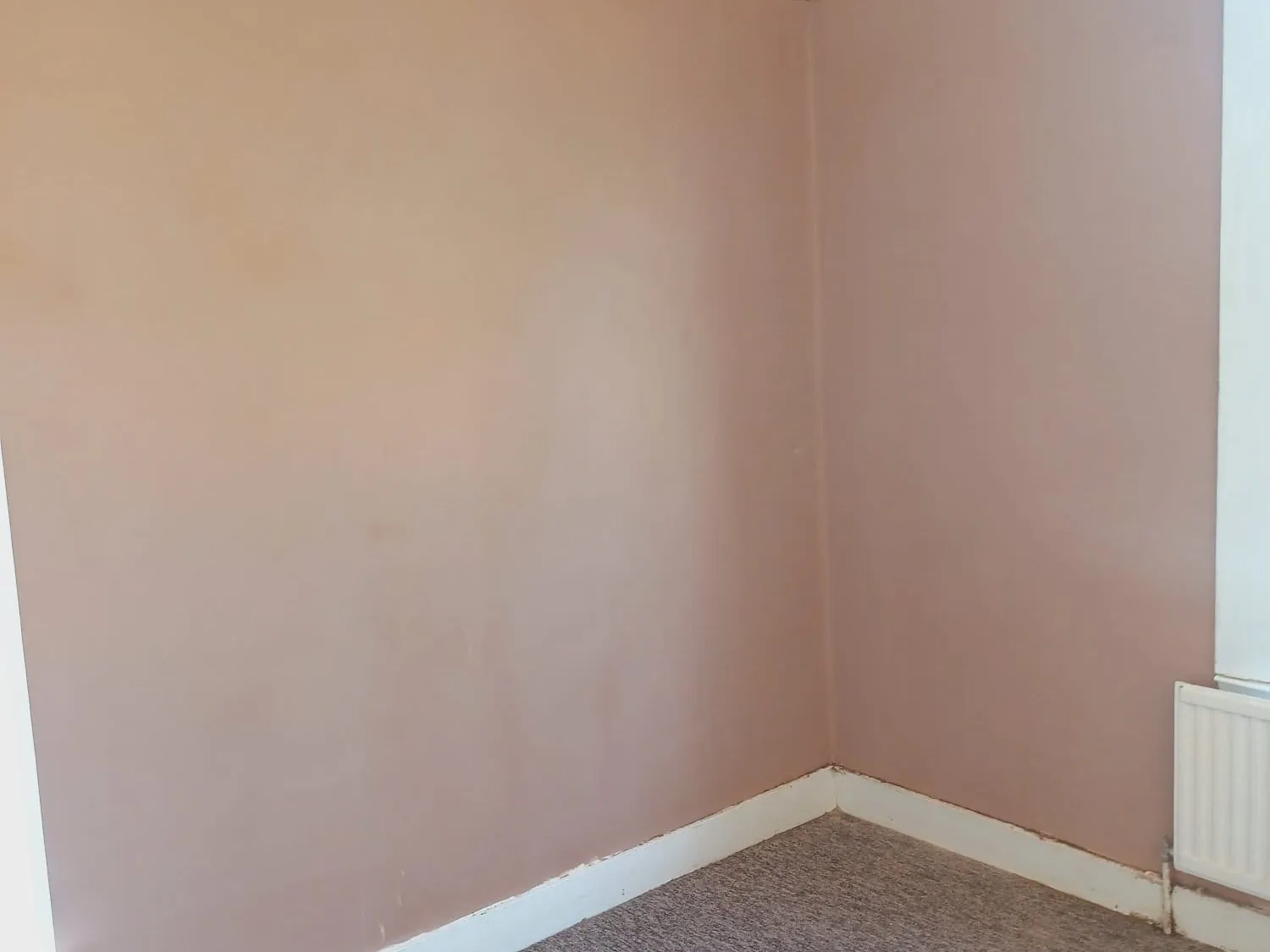
The replaster is half of any damp repair. We remove contaminated plaster, apply the specified salt-retardant system and leave a flat, decoration-ready finish, as part of a fixed price, by the same contractor that treated the wall.
Plastering in Pinner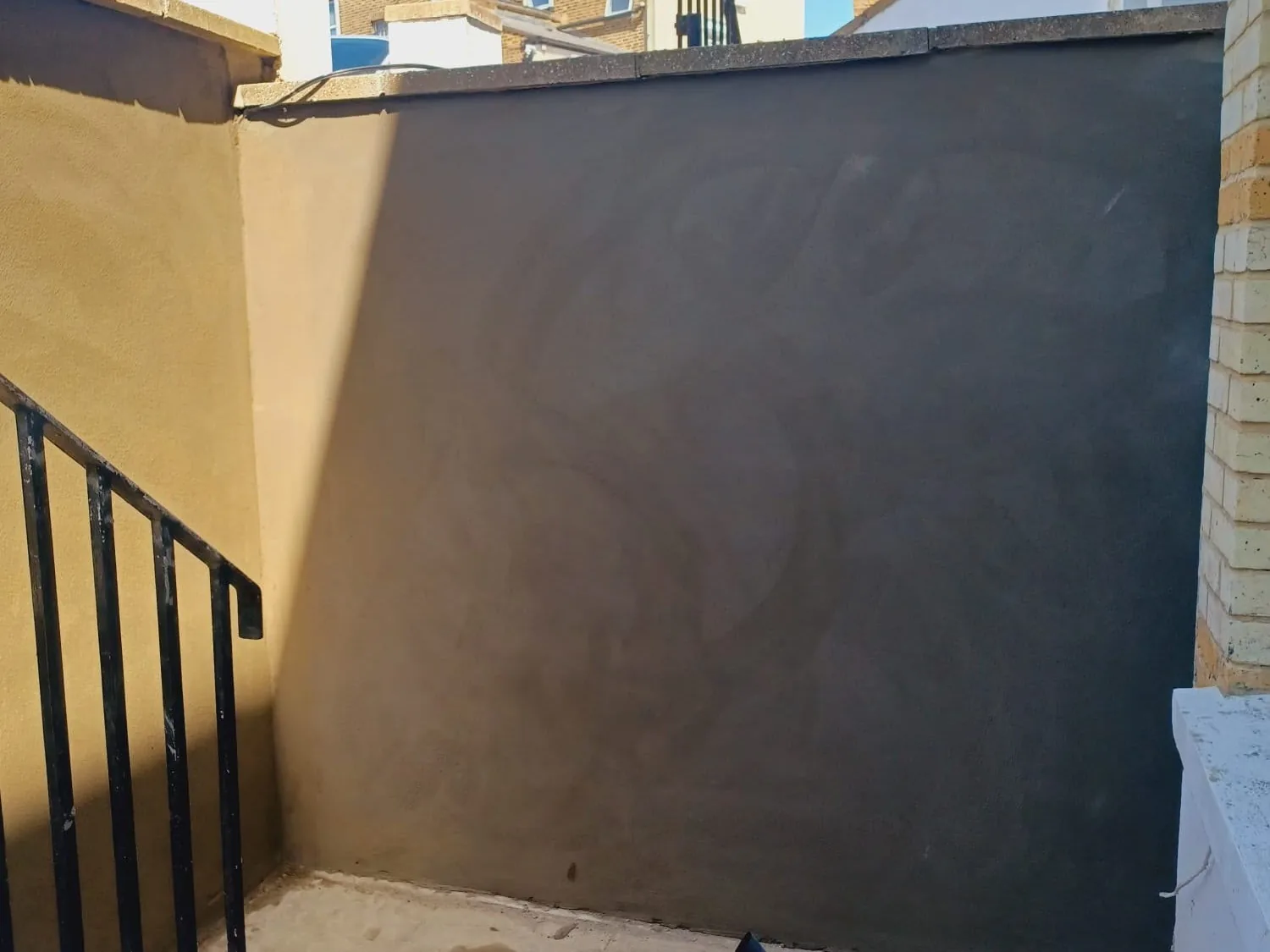
Cracked, hollow or blown render holds water against your masonry. We identify why it failed, repair or renew it with a system suited to the substrate, and fix the damp it was causing inside.
Rendering in Pinner
Open joints and spalled brick faces are the most common route for penetrating damp. We cut out properly, repoint in a mortar matched to your brick, and replace masonry that has broken down.
Brickworks & repointing in Pinner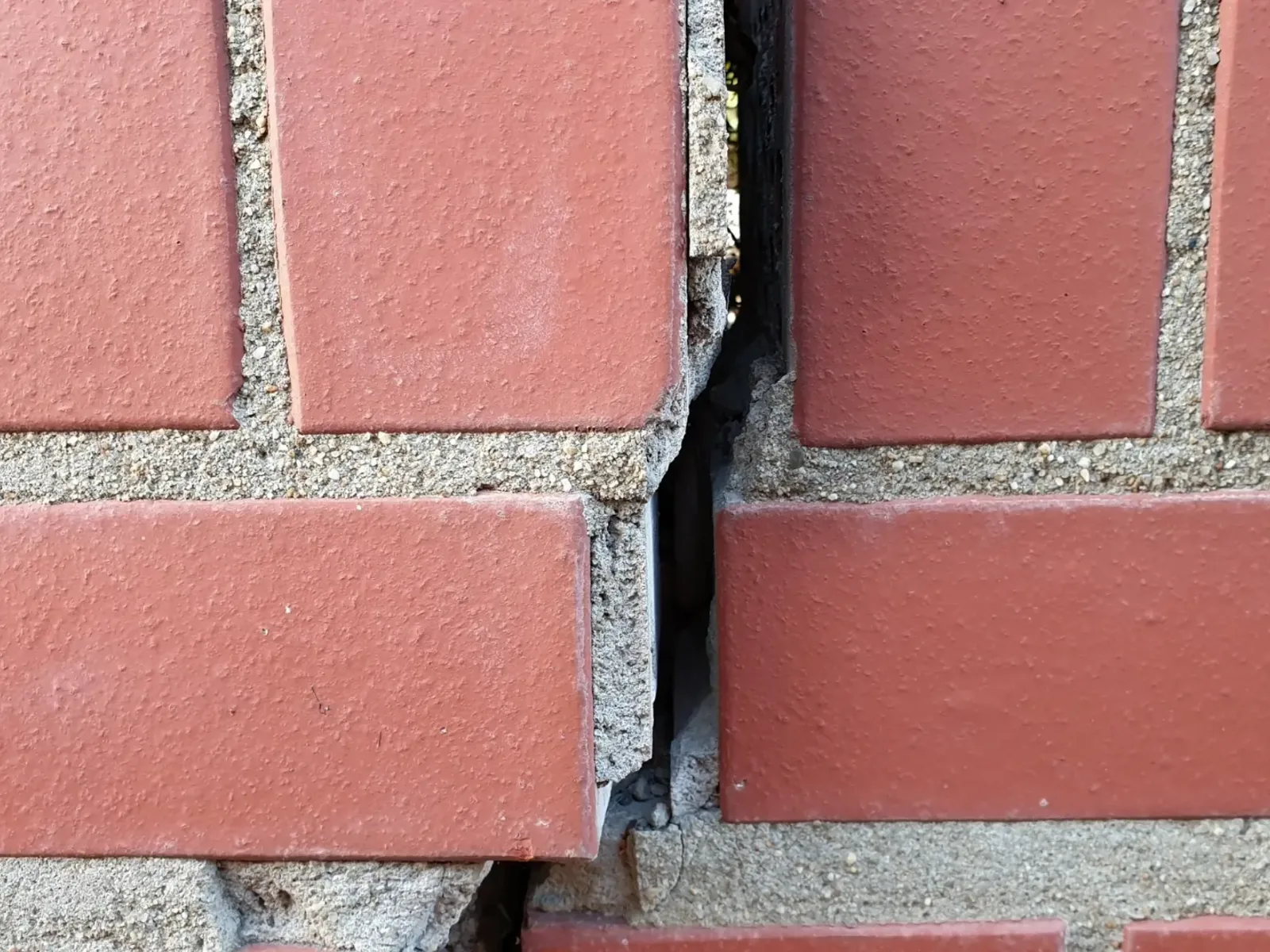
Helical stainless bars bonded into the bed joints tie cracked brickwork back into one structure, a repair carried out from the outside, without rebuilding the wall, and finished so the crack disappears.
Brick stitching in Pinner
Damp repairs rarely stop at the damp. We carry out the associated building work: masonry, render, plaster, joinery repairs and making good, so the job finishes with one contractor accountable for all of it.
General building in Pinner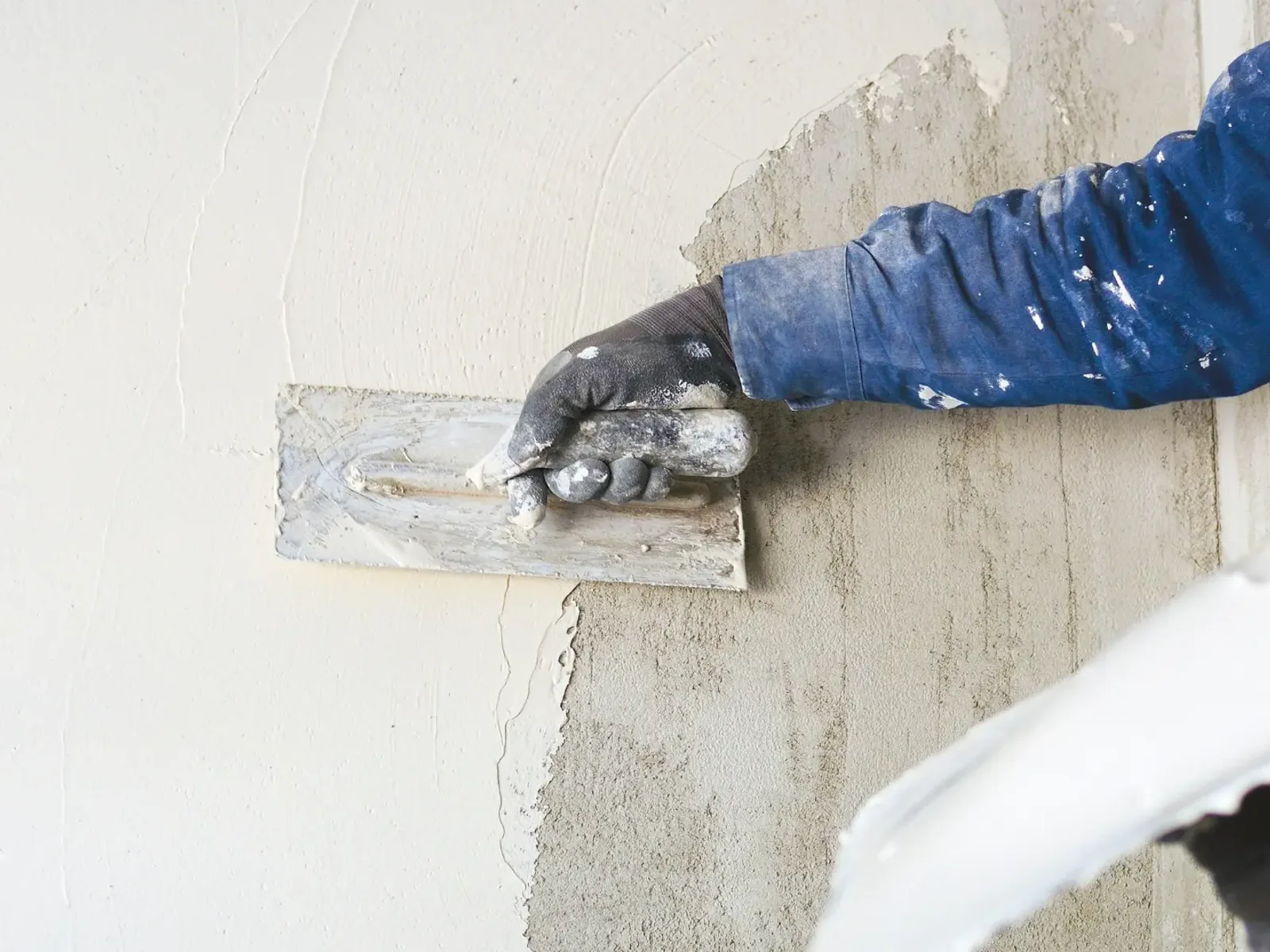
Treatment stops the damp; remedial work makes the room liveable again. Plaster, joinery, floors, decoration preparation and making good, completed by the contractor that did the specialist work, at a fixed price.
Small refurbishment & remedial works in PinnerWhy choose us
Pinner's mix of timber-framed village buildings and substantial 1930s detached houses calls for different treatment approaches. We diagnose before we specify anything.
Solid brick, timber frame infill panels and lime-rendered elevations are treated with compatible materials, not a one-size treatment carried over from a modern cavity wall.
10-year company workmanship guarantee plus a separate 10-year QANW insurance-backed guarantee on damp treatment.
Garden rooms, cellar conversions and below-ground extensions in higher-value Pinner homes waterproofed with accredited tanking or cavity drain membrane systems.
Accredited systems installed to the manufacturer's specification on every damp treatment.
Free survey and written fixed-price quotation, 50% deposit and 50% on completion by bank transfer, £2,000,000 public liability insurance held.
Local damp problems
Pinner's damp problems tend to fall into two groups: the genuine period faults in the village core, and the interwar faults common to the mock-Tudor semis and detached houses that make up most of the area. The two need different treatment.
Mature gardens, high ground and boundary walls close to large trees also play a bigger part here than in flatter, more open estates, particularly where shaded, damp beds sit hard against a wall with no clearance.
Timber-framed and solid-brick property in the village core often has no effective damp proof course, or a slate DPC long past its working life, producing classic rising damp with tide marks and salt bloom.
The applied timber framing, tile hanging and pebbledash finishes typical of Pinner's 1930s mock-Tudor houses can crack, loosen or lift, letting water track behind the finish and into the wall below.
Mortar droppings and debris left in narrow interwar cavities carry moisture across to the inner leaf, appearing as damp patches above skirting height.
Mature, well-established gardens often have borders, patios and paths built up over decades to a level at or above the damp proof course, bridging it directly.
Large mature trees close to boundary walls keep the ground shaded and slow to dry, and root movement in clay subsoil can affect drainage and wall stability alike.
Garden rooms and cellar conversions in the larger Pinner houses need proper structural waterproofing; a painted-on damp seal is not adequate once a space is used as a living room.
Our process
We inspect the property, identify the actual cause of the damp and explain it in plain terms. No charge, no obligation.
A clear fixed price for the specified works, built around your property, never a day rate.
Accredited Sovereign and Wykamol systems installed, walls replastered and the area made good. 50% deposit, 50% on completion by bank transfer.
Treatment checked for continuity, plaster left flat and decoration-ready, and the area cleaned down.
A 10-year company workmanship guarantee plus a 10-year QANW insurance-backed guarantee on damp treatment.
In detail
Timber-framed and solid-brick buildings around Pinner village have no cavity, and many predate any formal damp proof course. Where rising damp is genuinely present, the treatment is an injected chemical damp proof course using an accredited Sovereign or Wykamol system, followed by hacking off contaminated plaster and replastering with a salt-retardant system.
In a conservation area the outward appearance and original materials matter as much as the fix. Where render, timber cladding or brickwork need repair we match materials and detailing so the work is not visually intrusive, and we would always recommend checking whether conservation area consent or listed building consent applies before any external alteration goes ahead.
Timber frame panels infilled with brick or lath and plaster need particular care: trapping moisture behind an unsuitable modern render or a hard cement mix can accelerate decay in the timber itself, so breathable repairs are the starting point.
Most Pinner properties are 1930s detached and semi-detached houses with the applied timber framing, tile hanging, pebbledash and roughcast render typical of the mock-Tudor style built across Harrow and Middlesex in that era. These are early cavity wall houses, and the cavity is easily bridged by mortar droppings left during construction or by later work.
Tile hanging and applied timber decoration both sit proud of the wall and rely on the finish behind them staying sound. Once tiles slip, timber cracks or render behind decorative beams debonds, water gets in behind the finish and tracks down, often appearing well below where the actual defect is.
We survey the whole elevation, not just the damp patch indoors, because in this style of house the fault is frequently a metre or more above where the symptom shows.
Pinner's larger, older gardens bring their own set of issues. Beds and borders built up over many years, block paved driveways laid without regard to the original damp proof course level, and dense planting hard against a wall all reduce a wall's ability to dry out and can bridge the DPC outright.
Sloping plots, common on the higher ground around Pinnerwood Park and towards Hatch End, mean surface water does not always drain away from the building. Where retaining walls hold back a raised garden, poor drainage behind them can push damp through to habitable rooms on the lower side.
Correcting ground levels, reinstating a clear gap below air bricks, and improving surface drainage are often a large part of the answer, done alongside or instead of chemical treatment depending on what the survey finds.
A number of the larger detached and semi-detached houses around Pinner have cellars, or have had garden rooms and basement-level extensions added to increase living space. Bringing any of these into regular use as habitable accommodation means designing for water pressure from the surrounding ground, not just sealing a damp patch.
We specify cementitious tanking on sound masonry or a cavity drain membrane system with perimeter drainage and, where needed, a sump and pump, detailing the floor-to-wall junctions and any service penetrations properly since that is where these systems most often fail if rushed.
Where an existing cellar under a period village property is being converted, we also assess ventilation and moisture movement through solid walls before committing to a fully sealed system, since the wrong approach on old masonry can move the problem rather than solve it.
From Harrow we cover Pinner village, Pinner Green, Hatch End, Eastcote, Rayners Lane and the North Harrow fringe, along with the rest of Middlesex, Brent, Wembley, Stanmore, Edgware, London and West London, and further out to Watford, Slough, Buckinghamshire, High Wycombe and Surrey.
Calls are taken Monday to Friday 8am to 8pm and Saturday 8am to 1pm, and we will always tell you honestly if a job needs more time than a straightforward chemical DPC and replaster.
Questions
Yes: Pinner village, Pinner Green, Hatch End, Eastcote, Rayners Lane and the North Harrow fringe, plus the rest of Middlesex.
Yes, we match repairs to original materials and detailing. Check with the council whether conservation area consent or listed building consent is needed before external work goes ahead.
Usually behind the finish itself, slipped tiles, cracked timber decoration or debonded render, letting water track down the wall. The survey traces it to source before anything is quoted.
Yes, using cementitious tanking or a cavity drain membrane system with drainage and a sump and pump where required, specified after a survey of the structure and ground conditions.
They can keep ground shaded and slow to dry, and root movement in clay subsoil can affect drainage and wall stability. We look at this as part of the wider survey, not in isolation.
It depends on construction, wall length, replastering and access, so there is no set price. The survey, diagnosis and written fixed-price quotation are free.
Bridging, from raised drives, borders or debris in the cavity, is at least as common as a failed damp proof course in this type of house. The survey establishes which applies.
Damp treatment carries a 10-year company workmanship guarantee plus a separate 10-year QANW insurance-backed guarantee. Building works carry a 6-month workmanship guarantee.
Public liability insurance is held to £2,000,000.
Yes, and so is the written fixed-price quotation, with no obligation to proceed.
Free survey
Whether it is the village core, a 1930s mock-Tudor semi or a cellar you want to bring into use, send the postcode and we will arrange a survey and a written fixed price.
Nearby areas
We are registered and based in Harrow, so this is where we know the streets, the housing stock and the recurring faults best. Free survey, honest diagnosis, fixed price and ten-year guarantees on damp treatment.
View areaSubstantial 1930s and modern detached houses, sloping sites off Stanmore Hill and below-ground rooms all bring their own damp problems. Free survey, written fixed price, ten-year guarantees on treatment.
View areaMetroland semis, pebbledash and tile-hung elevations, side alleys and clay ground movement: we know the Edgware pattern well. Free survey and diagnosis, a written fixed price, and ten-year guarantees on damp treatment.
View areaWe are based in Harrow, so Middlesex is home ground. Interwar semis, period terraces and modern extensions, free survey, honest diagnosis, fixed price and ten-year guarantees on damp treatment.
View areaWembley's dense interwar streets have seen decades of extending, converting and letting. We survey free, work out what has actually changed and quote a fixed price with ten-year guarantees on damp treatment.
View area