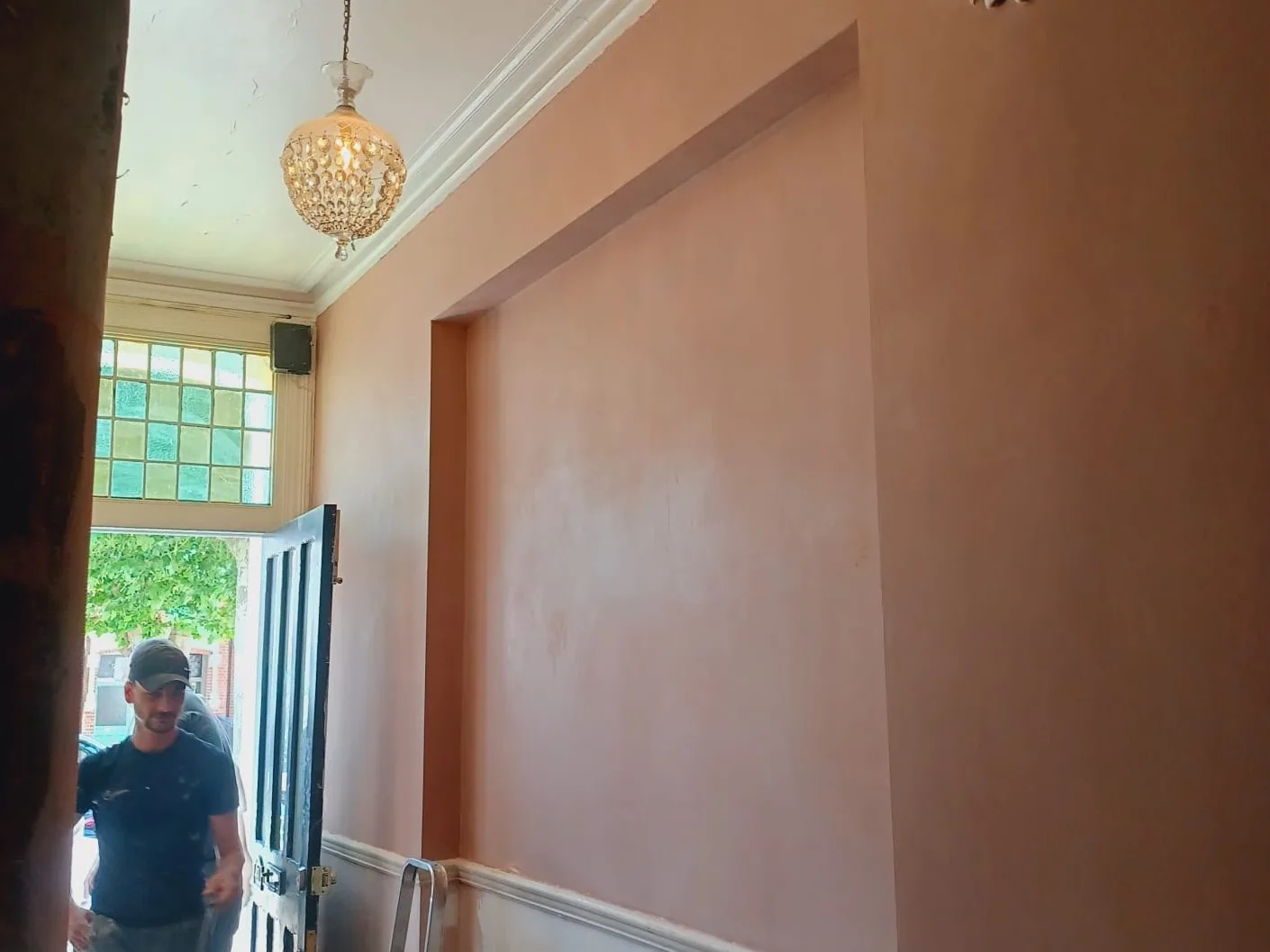
We know the Metroland terrace
Bay-fronted semis with pebbledash and tile hanging along the Edgware Road all fail in the same handful of ways. Diagnosis is fast because the pattern repeats street after street.

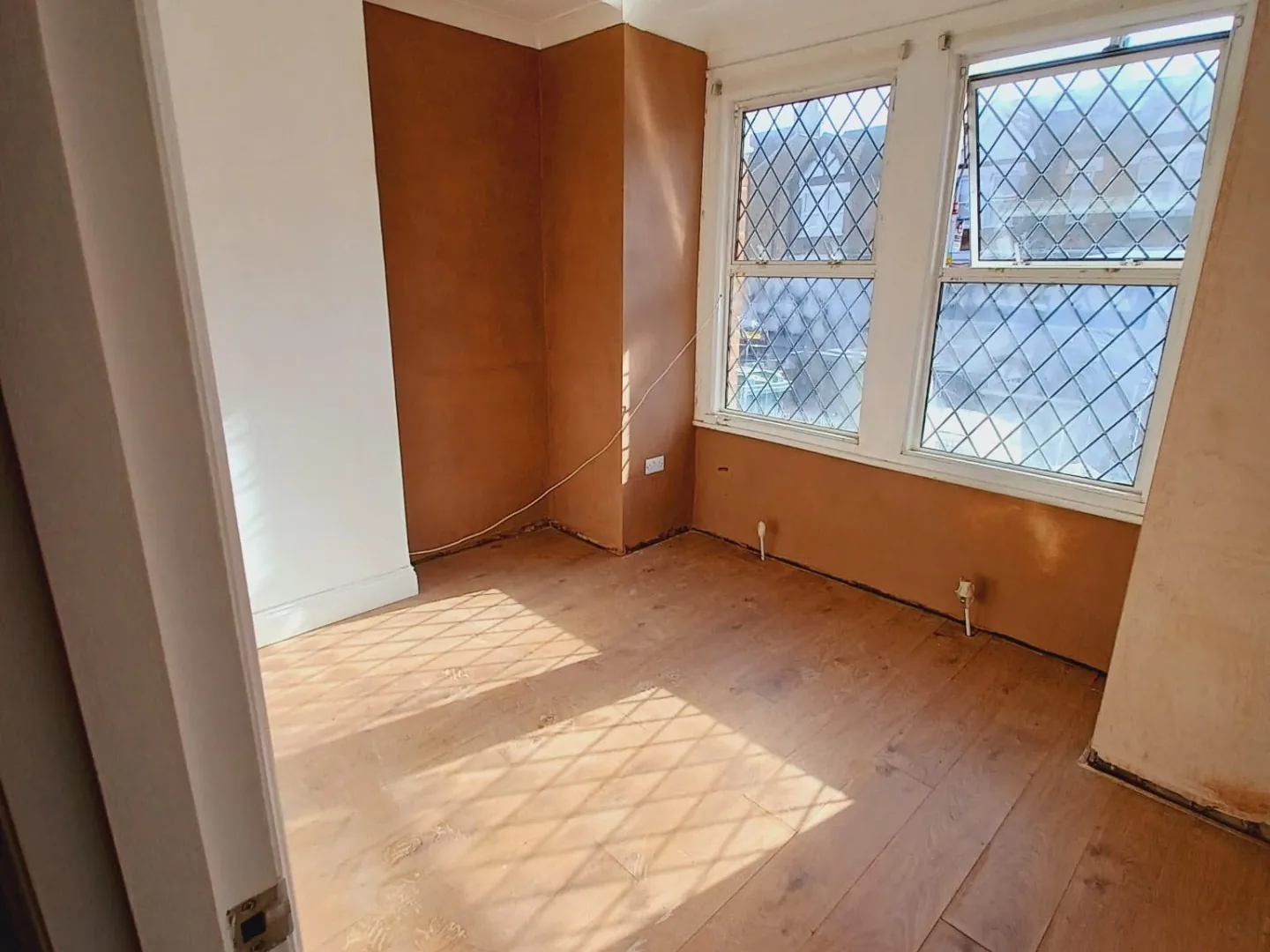
Damp proofing in Edgware
Metroland semis, pebbledash and tile-hung elevations, side alleys and clay ground movement: we know the Edgware pattern well. Free survey and diagnosis, a written fixed price, and ten-year guarantees on damp treatment.
Based nearby in Harrow · Free survey in Edgware, Burnt Oak and Queensbury · 10-year QANW insurance-backed guarantee
10 years
Company workmanship guarantee on damp treatment
10 years
QANW insurance-backed guarantee
£0
Survey, diagnosis and fixed-price quotation in Edgware
£2m
Public liability insurance held
Local coverage
Edgware grew fast once the Underground reached it in the 1920s, and the Edgware Road itself is lined for miles with the semis and terraces that followed: long runs of bay-fronted semis with pebbledash upper elevations, tile-hung gables, and narrow side alleys running between pairs of houses down to the back garden. Burnt Oak and the Mill Hill fringe follow the same pattern a little further along the line, while Queensbury and Canons Park add slightly later 1930s development with wider plots and more generous gardens.
That side alley detail matters more than most homeowners realise. On a huge number of Edgware semis the passage between the houses has been repaved over the years, often raised with a new concrete or slab surface that sits higher than the original path. Airbricks meant to ventilate the underfloor void get buried or painted over in the process, and the damp proof course along that flank disappears under the new level entirely.
Around Canons Park and the greener fringes towards Stanmore, the ground itself adds a further complication. This part of Middlesex sits on London Clay, which shrinks and swells with the seasons and with nearby tree roots. Long dry summers pull moisture from the clay under shallow interwar foundations, and the walls move a little in response, most visibly as diagonal cracking at bay window junctions and over door and window openings.
There is also a later layer of housing to consider. Edgware and Queensbury both have blocks of flats and maisonettes built through the 1960s and 1970s, generally on more modern cavity construction but often now showing their age at flat roofs, parapets and balcony thresholds.
We survey free of charge throughout Edgware, Burnt Oak, Queensbury and Canons Park, with calls taken Monday to Friday 8am to 8pm and Saturday 8am to 1pm.
1920s and 1930s bay-fronted semis with pebbledash or tile-hung elevations, later Metroland terraces, 1930s detached houses around Canons Park, and 1960s and 1970s blocks and maisonettes.
Raised side alleys burying airbricks, cracked pebbledash letting water in, diagonal cracking from clay movement, and damp in flat and maisonette entrance lobbies.
A short run from our Harrow base, so return visits and follow-up under guarantee are straightforward.
Services in Edgware
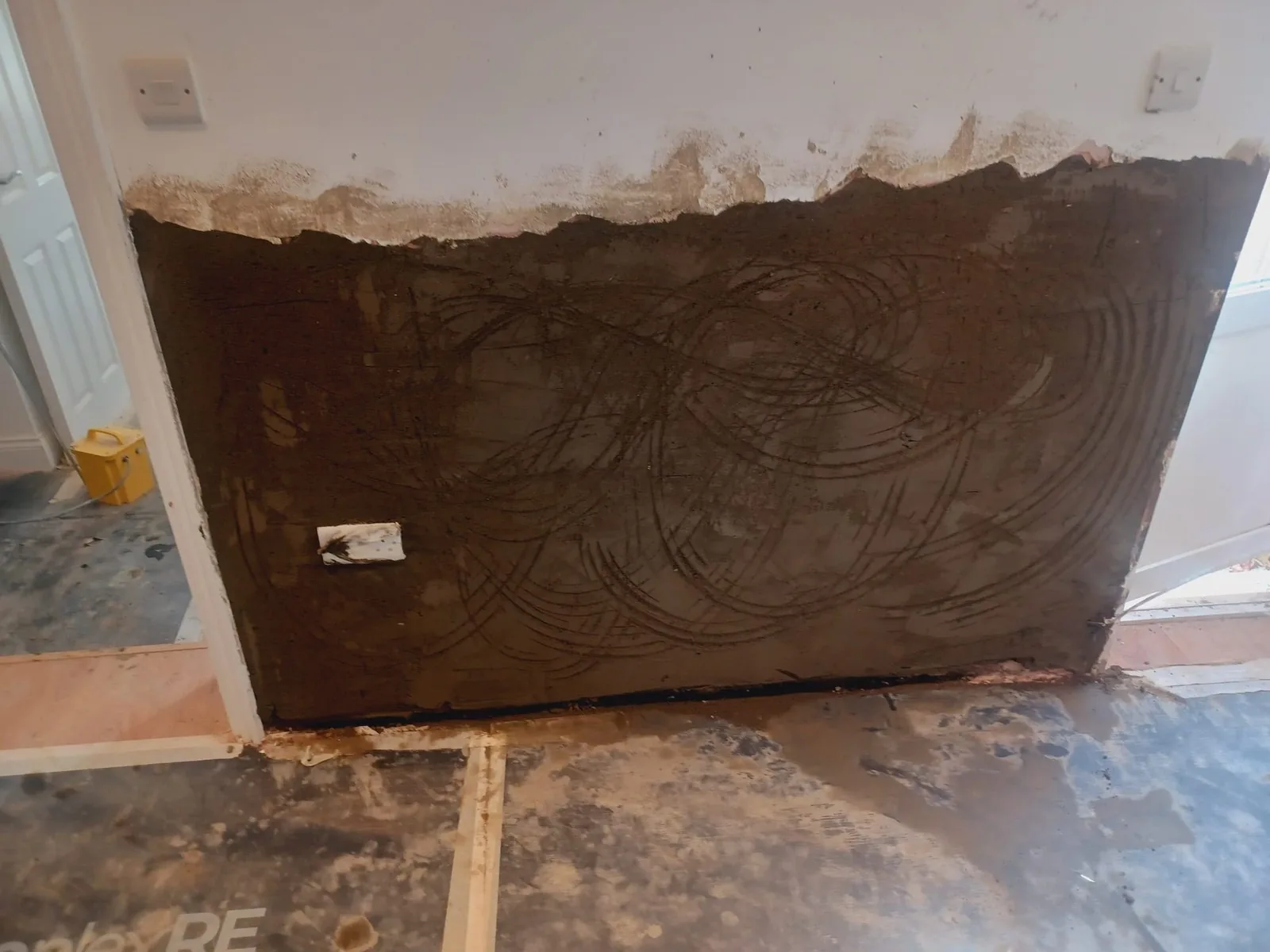
A failed damp proof course is diagnosed, treated with an accredited Sovereign or Wykamol system and replastered to a decoration-ready finish, priced as a fixed sum before any work starts, and guaranteed for ten years.
Rising damp treatment in Edgware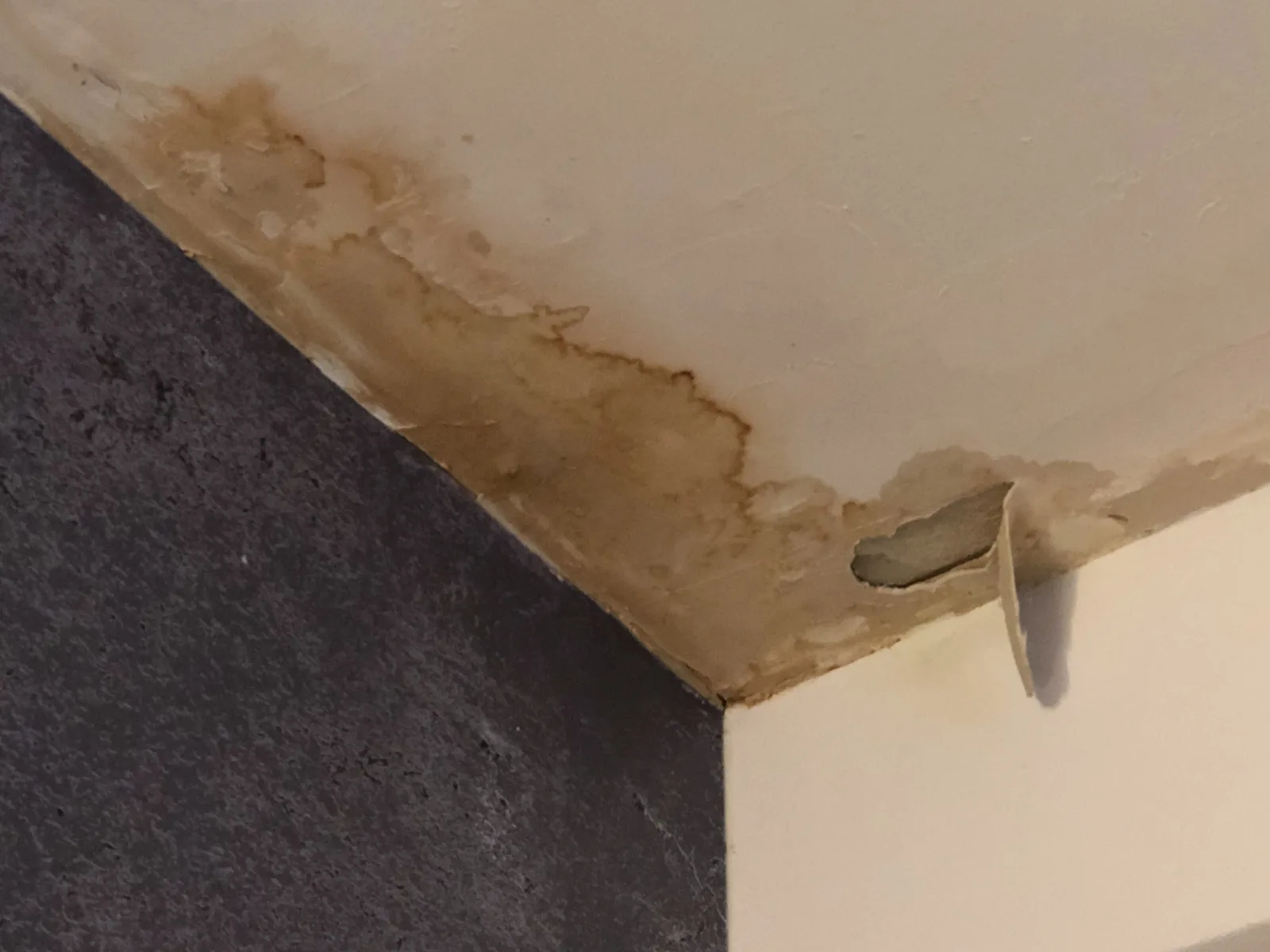
Damp that worsens after rain is coming in from somewhere. We find the route: pointing, render, sills, gutters or roof detail; correct it, then repair the wall inside. Free survey, fixed price, no guesswork.
Penetrating damp treatment in Edgware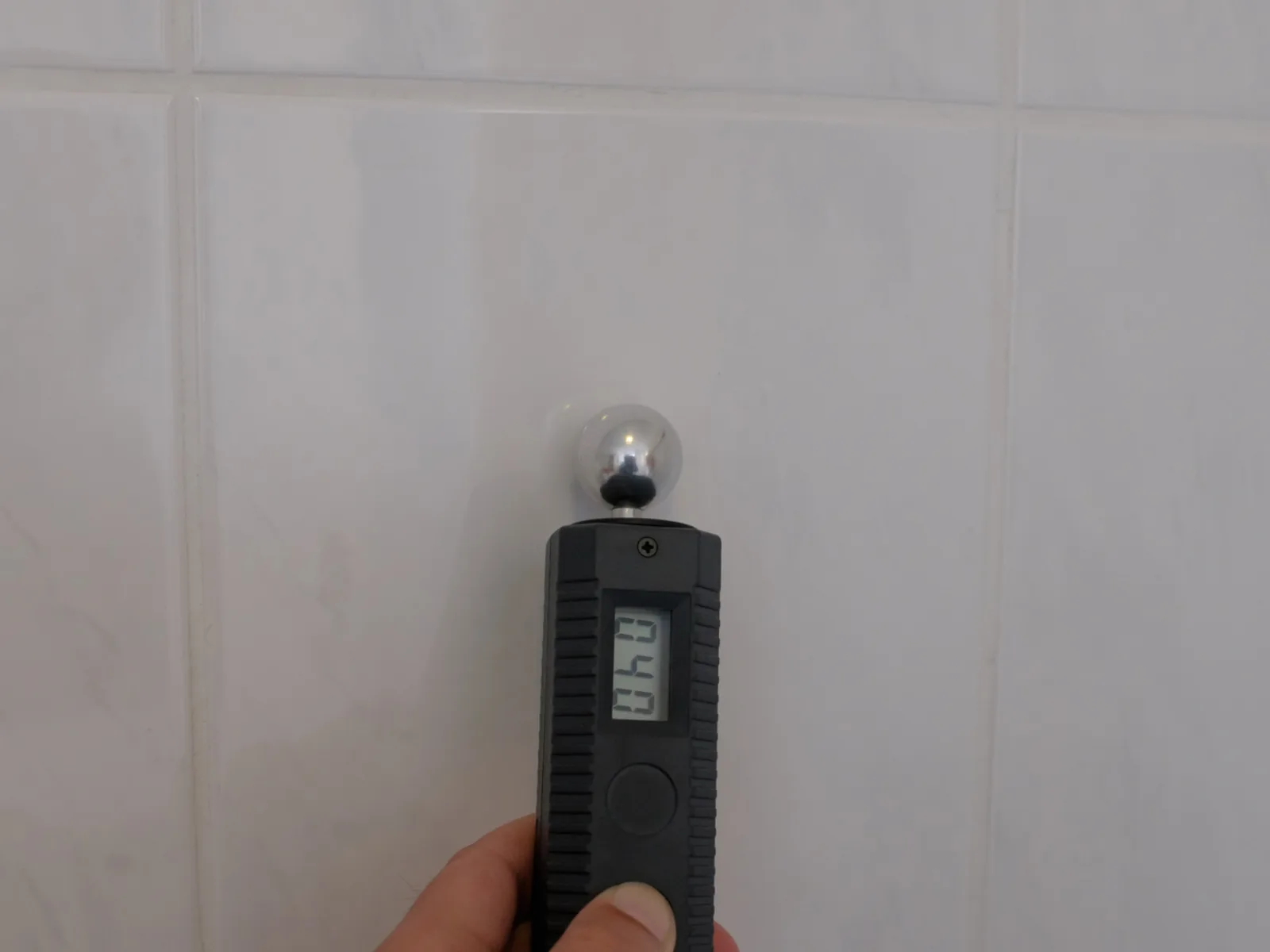
Find out exactly what is causing the damp, what it takes to fix it, and what it costs, in writing, at a fixed price, with no charge for the visit and no obligation to proceed.
Damp surveys & diagnosis in Edgware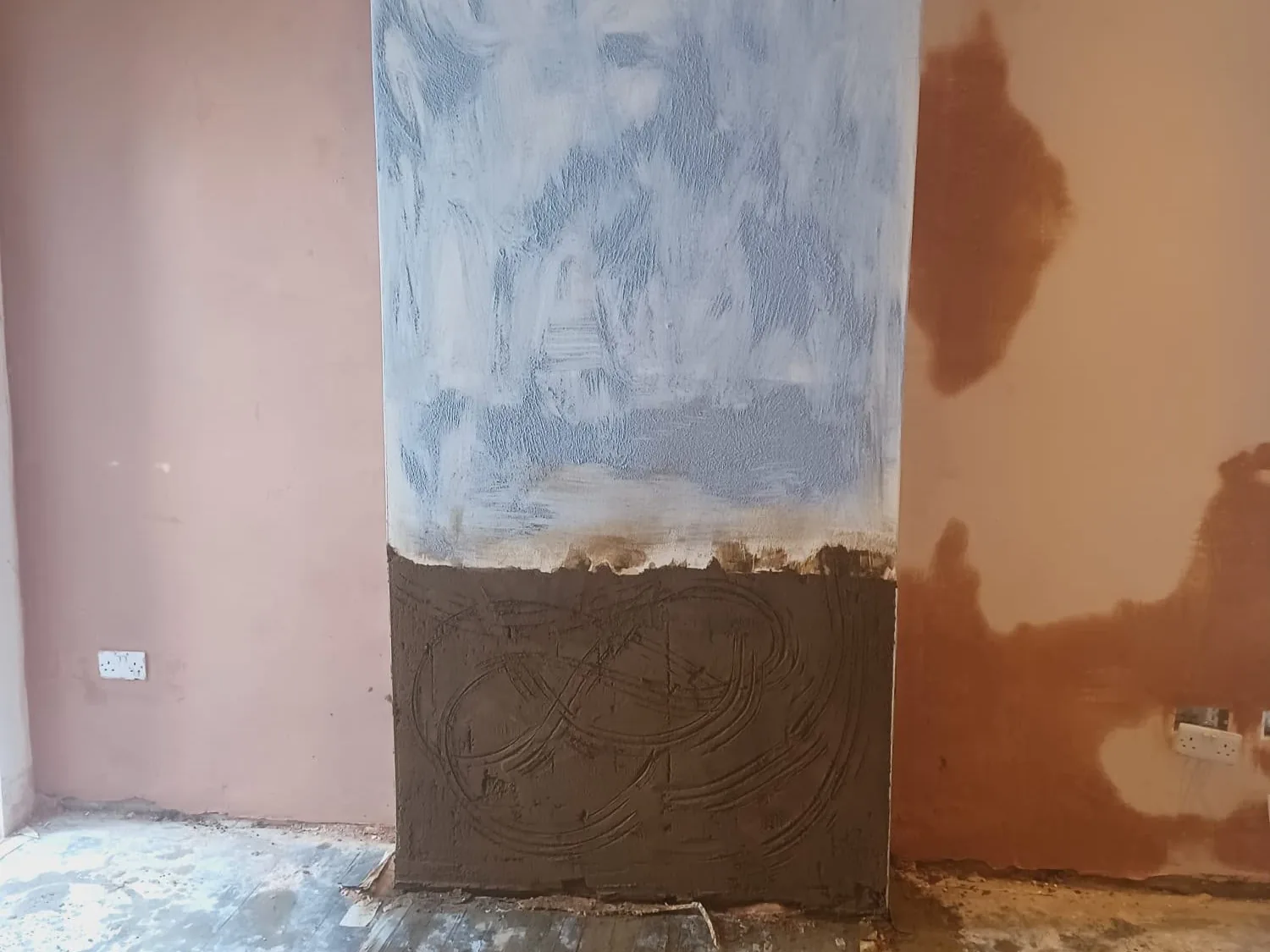
Below-ground rooms need a waterproofing system, not a coat of damp-seal paint. Membrane and cementitious tanking specified to suit the structure, installed as an approved Sovereign and Wykamol contractor, with a free survey and a fixed price.
Structural waterproofing & tanking in Edgware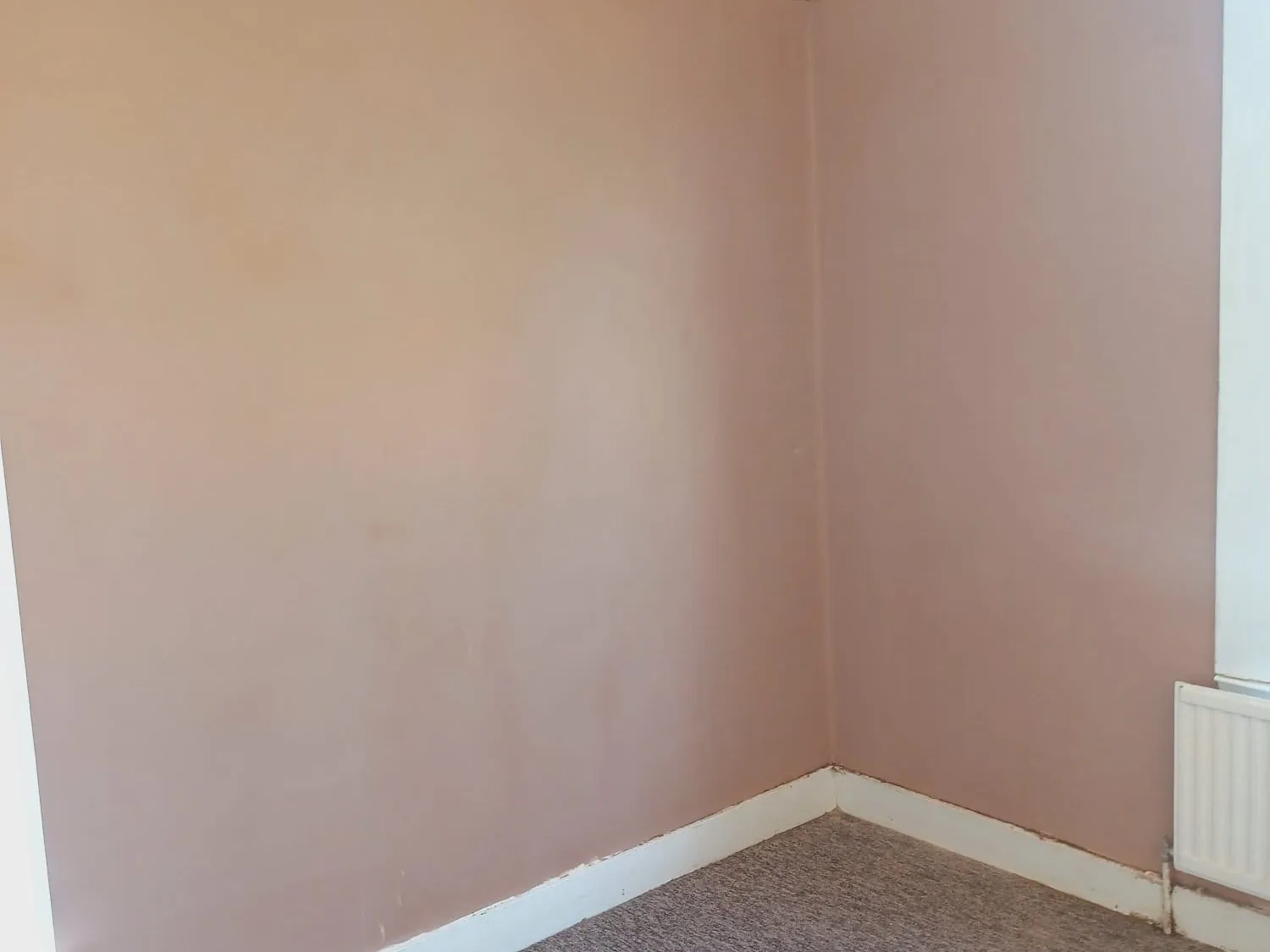
The replaster is half of any damp repair. We remove contaminated plaster, apply the specified salt-retardant system and leave a flat, decoration-ready finish, as part of a fixed price, by the same contractor that treated the wall.
Plastering in Edgware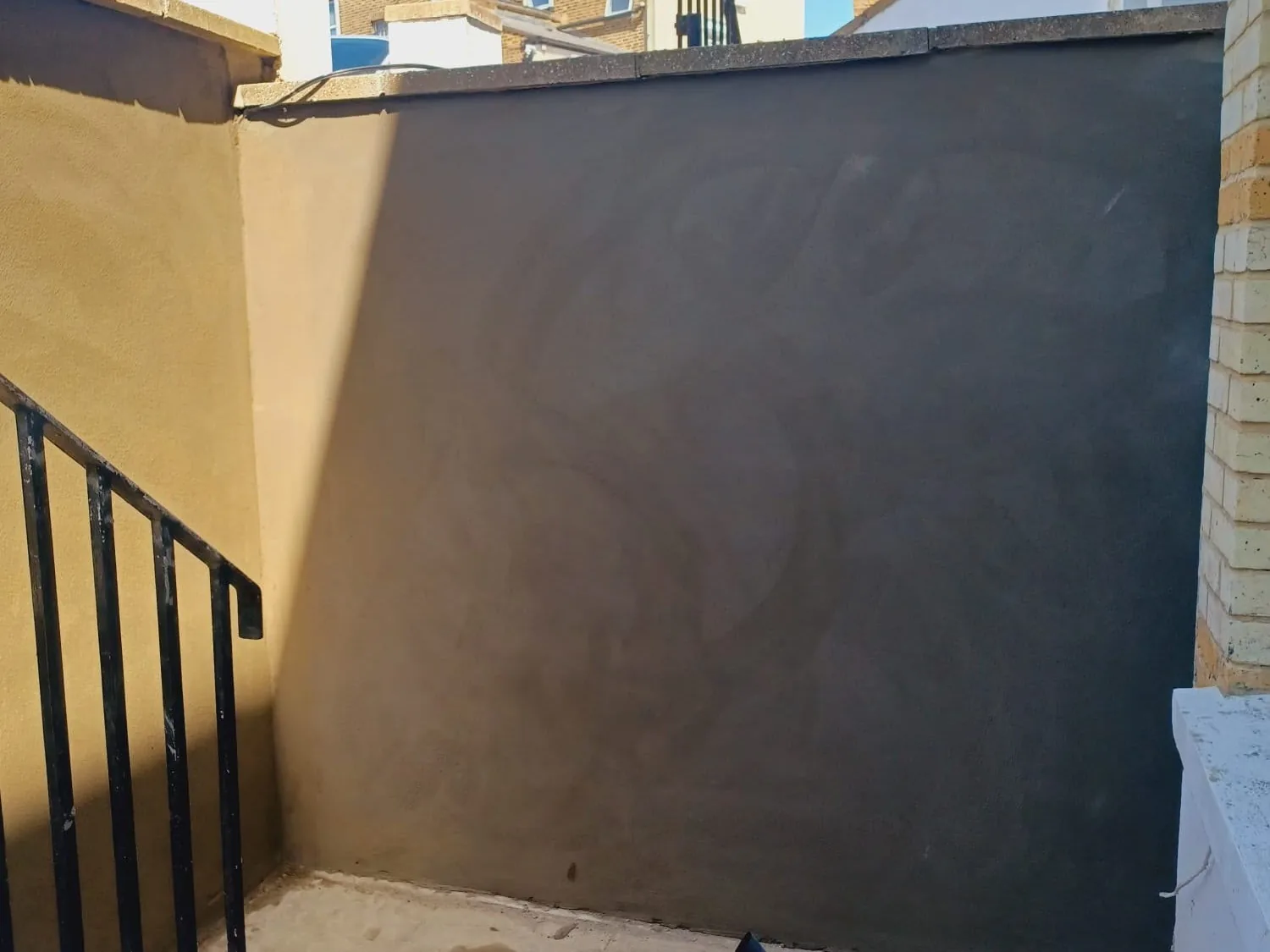
Cracked, hollow or blown render holds water against your masonry. We identify why it failed, repair or renew it with a system suited to the substrate, and fix the damp it was causing inside.
Rendering in Edgware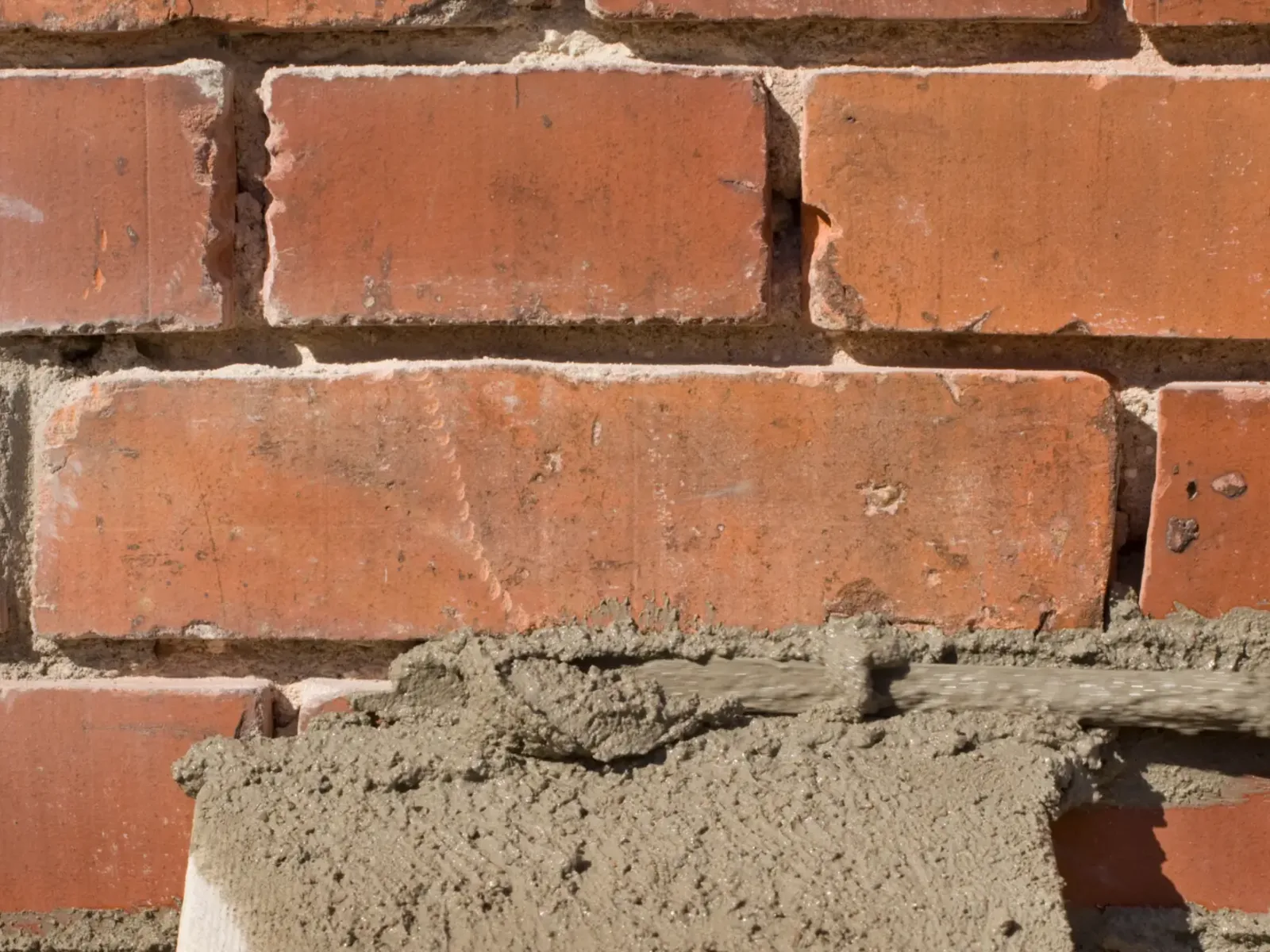
Open joints and spalled brick faces are the most common route for penetrating damp. We cut out properly, repoint in a mortar matched to your brick, and replace masonry that has broken down.
Brickworks & repointing in Edgware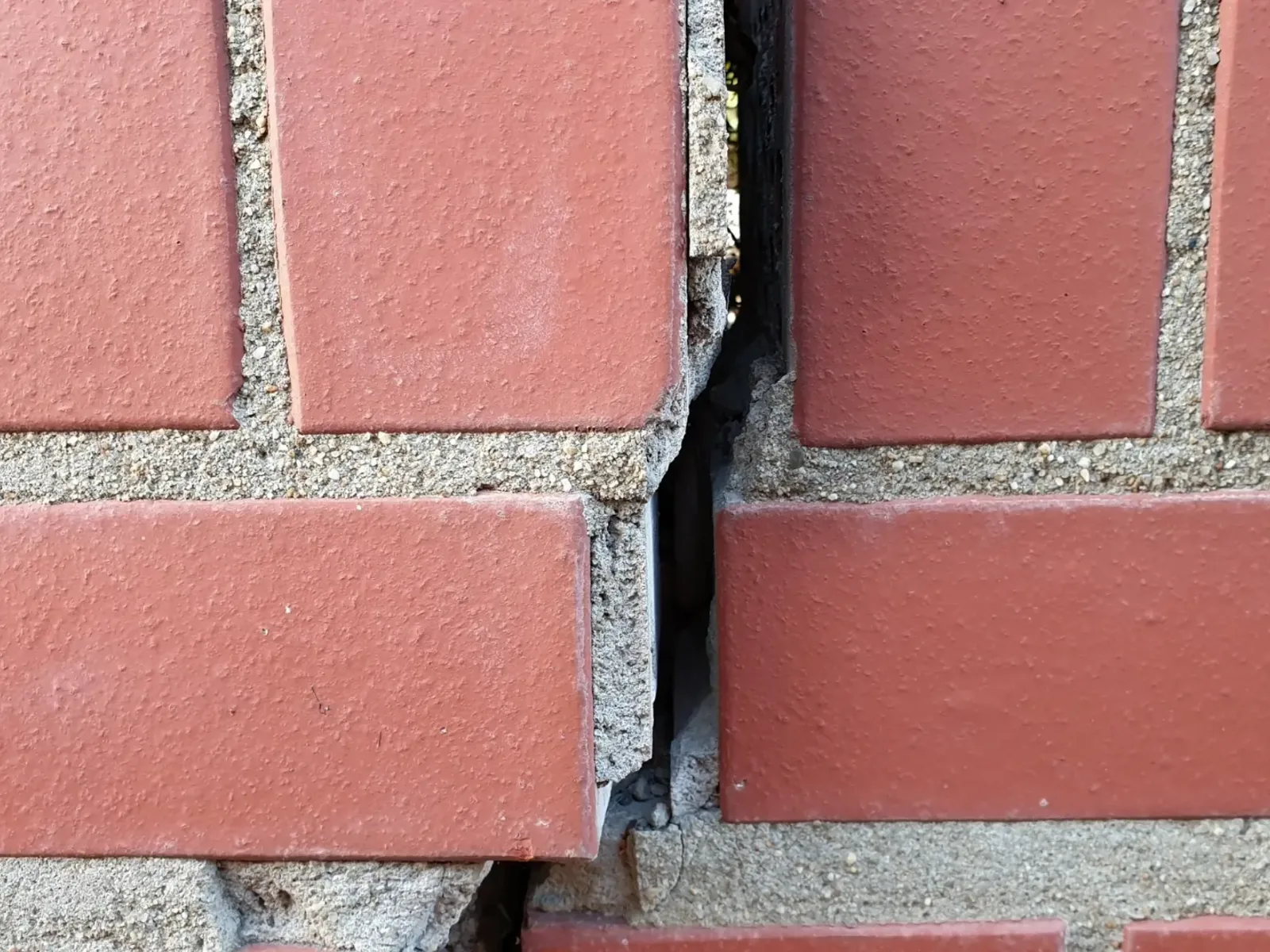
Helical stainless bars bonded into the bed joints tie cracked brickwork back into one structure, a repair carried out from the outside, without rebuilding the wall, and finished so the crack disappears.
Brick stitching in Edgware
Damp repairs rarely stop at the damp. We carry out the associated building work: masonry, render, plaster, joinery repairs and making good, so the job finishes with one contractor accountable for all of it.
General building in Edgware
Treatment stops the damp; remedial work makes the room liveable again. Plaster, joinery, floors, decoration preparation and making good, completed by the contractor that did the specialist work, at a fixed price.
Small refurbishment & remedial works in EdgwareWhy choose us
Bay-fronted semis with pebbledash and tile hanging along the Edgware Road all fail in the same handful of ways. Diagnosis is fast because the pattern repeats street after street.
Diagonal cracking on Edgware's clay subsoil needs a proper look before deciding whether it is cosmetic or needs helical brick stitching. We tell you which before quoting.
A 10-year company workmanship guarantee plus a separate 10-year QANW insurance-backed guarantee on damp treatment.
Accredited systems installed to the manufacturer's specification, which underpins the insurance-backed guarantee.
Render, repointing, brick stitching, plastering and making good all handled in-house, so a raised alley or cracked pebbledash is corrected as part of the job, not left for someone else.
Free survey, diagnosis and written fixed-price quotation. 50% deposit, 50% on completion by bank transfer. £2,000,000 public liability insurance.
Local damp problems
The bulk of Edgware's housing dates from a single burst of building either side of 1930, and it shares the same weak points across nearly every street: narrow cavities prone to debris bridging, pebbledash finishes now nearing a century old, and side passages that have quietly been raised and resurfaced over the decades.
Add in clay subsoil movement in the areas nearer Canons Park and Stanmore, and a smaller number of later maisonette blocks with their own flat roof and parapet issues, and the causes of damp here are more varied than a single street type would suggest.
Passages between semis resurfaced above the original level bury the damp proof course and block airbrick ventilation to the underfloor void, a very common Edgware fault.
Cracked or hollow pebbledash and slipped or cracked hanging tiles let water behind the finish, delivering it into the wall over a wide, diffuse area.
Shrinkable clay subsoil moving seasonally, often worsened by nearby trees, opens diagonal cracks at bay junctions and over openings that need assessment before repair.
Mortar droppings left in narrow 1920s and 1930s cavities carry moisture across to the inner leaf, producing patches above skirting level.
1960s and 1970s maisonettes and blocks around Edgware and Queensbury commonly show penetrating damp at parapet copings, flat roof upstands and balcony thresholds.
Replacement windows and added insulation reduce background ventilation, leading to condensation and mould that is often mistaken for rising damp.
Our process
We inspect the property, identify the actual cause of the damp and explain it in plain terms. No charge, no obligation.
A clear fixed price for the specified works, built around your property, never a day rate.
Accredited Sovereign and Wykamol systems installed, walls replastered and the area made good. 50% deposit, 50% on completion by bank transfer.
Treatment checked for continuity, plaster left flat and decoration-ready, and the area cleaned down.
A 10-year company workmanship guarantee plus a 10-year QANW insurance-backed guarantee on damp treatment.
In detail
The classic finding on an Edgware semi is a tide mark at a fairly consistent height on the ground floor, with hollow plaster and salt bloom close to the front or party wall. Where the original bitumen damp proof course has genuinely broken down, we inject a new chemical DPC using an accredited Sovereign or Wykamol system, then strip the salt-contaminated plaster and replace it with a salt-retardant system.
But on this stretch of Middlesex, bridging is at least as common as DPC failure, and the side alley is usually the first place to look. Where paving has been laid above the original path level, correcting that bridge, rather than injecting a new DPC into a wall that never needed one, is often the smaller and more honest job.
We check both possibilities at survey and explain which applies before any price is put in writing.
A huge amount of Edgware's housing stock carries pebbledash or hung tiles to the first floor, a finish that was popular and durable when new but is now approaching a hundred years old on many houses. Once it cracks or debonds from the substrate, it holds rainwater against the wall rather than shedding it, and the resulting damp patch indoors can be large and slow to dry.
We cut out and make good failed pebbledash sections, re-fix or replace slipped and cracked hanging tiles, and reinstate proper sill and drip details so water is thrown clear rather than tracking back into the wall.
In the Canons Park and Edgwarebury area, and generally the further you move from the Edgware Road towards Stanmore, clay subsoil becomes more of a factor. Long dry spells shrink the clay, shallow interwar foundations move slightly, and diagonal cracks open at bay window corners and above door and window heads.
Not every crack needs a structural engineer, and not every crack is purely cosmetic either. At survey we look at the width, direction and location of cracking, check for progression, and where it is appropriate carry out helical brick stitching to tie the masonry back together and stop the crack reopening on the next dry summer.
Because so many Edgware semis have a narrow side alley shared with the neighbouring house, that strip of ground has usually been resurfaced more than once over ninety-plus years, and rarely to the original level. Each resurfacing tends to creep the level up a little, and each time it does, more of the wall's damp proof course and more airbricks disappear beneath it.
Lowering the paving back to the correct level, reinstating clear airbricks, and making good the damp proof course at that point resolves a large share of the ground floor damp we see on these streets, often without any need to treat the wall itself.
We cover Edgware, Burnt Oak, the Mill Hill fringe, Queensbury, Canons Park and Edgwarebury, working out from our Harrow base, alongside London, West London, Middlesex, Brent, Watford, Slough, Buckinghamshire, High Wycombe, Surrey and the new towns.
Calls are taken Monday to Friday 8am to 8pm and Saturday 8am to 1pm, and surveys tied to a sale, remortgage or tenancy are prioritised where we can.
Questions
Edgware, Burnt Oak, the Mill Hill fringe, Queensbury, Canons Park and Edgwarebury, plus the surrounding areas towards Stanmore and Colindale.
We are based nearby in Harrow, so Edgware is a short run. Calls are taken Monday to Friday 8am to 8pm and Saturday 8am to 1pm and surveys are booked around your schedule.
Very often, yes. Raised paving in the alleys between Edgware semis regularly buries airbricks and the damp proof course, which produces damp that looks like a DPC failure but is actually bridging.
It depends on the width, direction and whether it is still moving. Clay subsoil movement is common in this area and some cracking is cosmetic, some needs brick stitching. The survey will tell you which.
Yes: cutting out and making good failed pebbledash, re-fixing or replacing cracked hanging tiles, and reinstating sill and drip details.
There is no set figure, it depends on wall length, replastering, access and whether bridging or cracking needs correcting first. The survey and written fixed-price quotation are free.
Yes, including 1960s and 1970s blocks, though external defects such as parapets or flat roofs may be a freeholder or managing agent's responsibility, which we will point out at survey.
Damp treatment carries a 10-year company workmanship guarantee plus a separate 10-year QANW insurance-backed guarantee. Building works carry a 6-month workmanship guarantee.
Public liability insurance is held to £2,000,000.
Yes, along with the diagnosis and the written fixed-price quotation, with no obligation to proceed.
Free survey
Send the postcode and a short description of what you are seeing and we will arrange a survey and a written fixed price.
Nearby areas
We are registered and based in Harrow, so this is where we know the streets, the housing stock and the recurring faults best. Free survey, honest diagnosis, fixed price and ten-year guarantees on damp treatment.
View areaSubstantial 1930s and modern detached houses, sloping sites off Stanmore Hill and below-ground rooms all bring their own damp problems. Free survey, written fixed price, ten-year guarantees on treatment.
View areaWe are based in Harrow, so Middlesex is home ground. Interwar semis, period terraces and modern extensions, free survey, honest diagnosis, fixed price and ten-year guarantees on damp treatment.
View areaBrent's terraces, converted flats and interwar semis produce a steady stream of misdiagnosed damp. We survey free, identify the real cause and quote a fixed price with ten-year guarantees on treatment.
View areaWest London's Victorian terraces, Edwardian conversions and interwar semis are the properties we work on most. Free survey and diagnosis, a written fixed price, and ten-year guarantees on damp treatment.
View area